Every business needs people who keep the office organized, answer questions and make sure paperwork gets done right. Administrative jobs offer steady hours, indoor work and skills you can use in almost any industry. This guide covers common administrative jobs in St. Paul, the seven skills employers want and how to get hired.
Common administrative jobs
- Administrative assistant: supports managers with scheduling, documents and communication.
- Receptionist: greets visitors, answers phones and directs calls.
- Office assistant: handles day-to-day office tasks, supplies and filing.
- Data entry clerk: enters and checks information in computer systems.
- Office coordinator: keeps office operations, vendors and schedules on track.
- Leasing or property office assistant: supports apartment offices with residents and paperwork.
Many of these roles start as temporary assignments during busy periods and turn into permanent positions.
7 skills employers want
1. Computer skills
Email, word processing and spreadsheets are the basics. Knowing Microsoft Office or Google Workspace makes you more valuable.
2. Organization
Keeping files, calendars and tasks in order is at the heart of office work.

3. Clear communication
You will write emails, answer phones and talk with customers, vendors and coworkers every day.
4. Attention to detail
Small mistakes in data, invoices or schedules can cause big problems. Double-checking your work matters.
5. Customer service
A friendly, helpful attitude on the phone and at the front desk shapes how people see the business.
6. Time management
Juggling several tasks and deadlines is normal. Knowing how to prioritize keeps the office running smoothly.
7. Confidentiality
Office staff often handle private information. Employers need people they can trust.
How to apply for administrative jobs
- Update your resume with office, customer service and computer experience.
- List software you know and your typing speed if you have tested it.
- Highlight organization and accuracy with real examples.
- Prepare for interview questions about handling busy days and difficult callers.
- Register with a staffing agency to reach several employers at once.
Our resume tips for temp jobs and job interview tips will help you prepare. Free resume and career help is also available through CareerForce.
A typical day in an office role
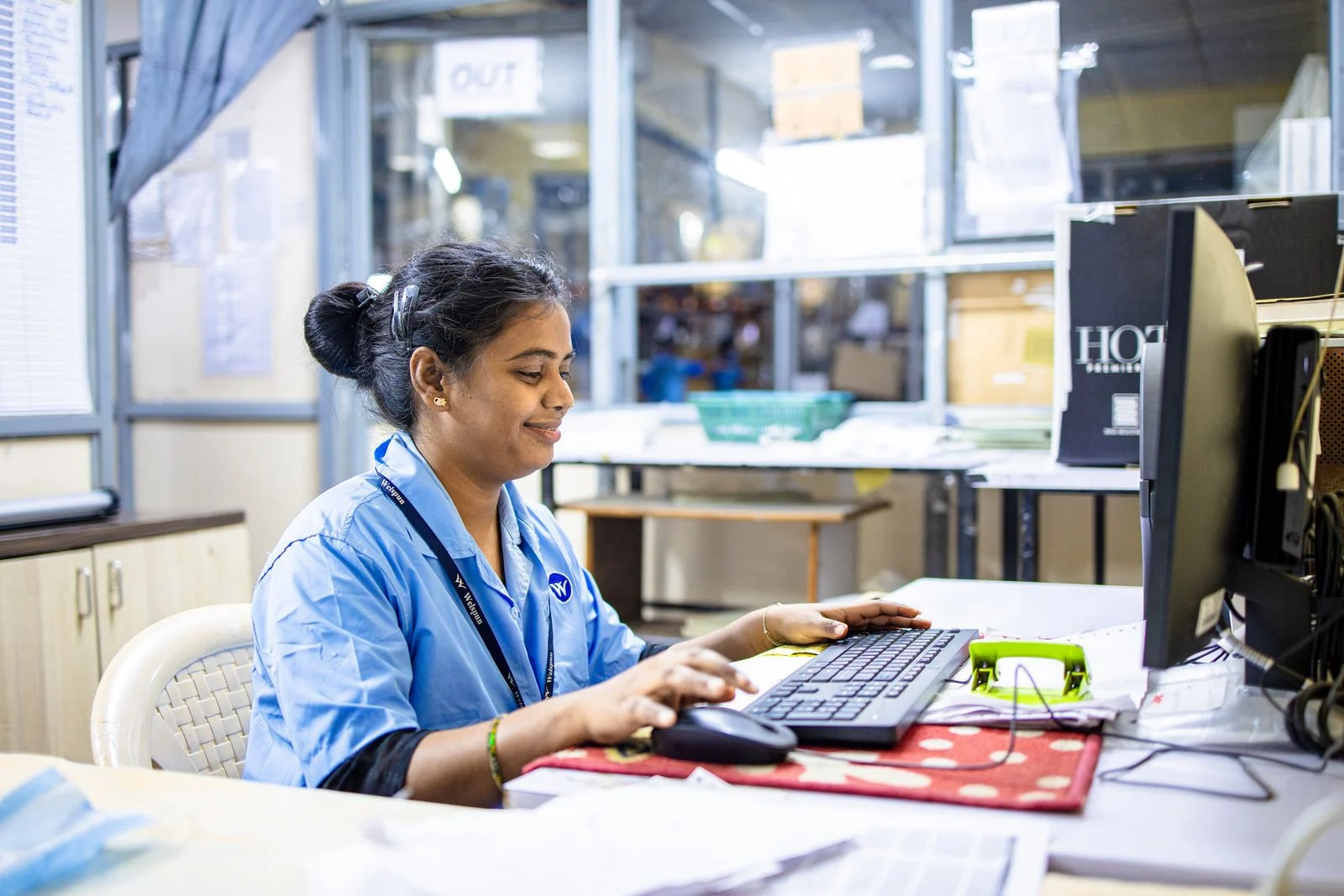
A day often starts with checking email and voicemail, then moves through scheduling, data entry, filing, answering calls and helping visitors. Some days are calm, others are busy with deadlines and meetings. Staying organized with a simple to-do list makes every day easier and shows your manager you can be trusted with more responsibility.
Growing your career
Experience in entry-level office roles can lead to office manager, executive assistant, human resources assistant or operations coordinator positions. Learning advanced spreadsheet skills, bookkeeping basics or industry software helps you move up faster. Many people find their first office role through temp to hire jobs.
Interview questions to expect
Office interviews often focus on how you organize your work and treat people. Be ready with short, real examples for questions like these:
- How do you keep track of several tasks with different deadlines?
- Tell me about a time you handled an upset caller or visitor.
- Which software programs are you comfortable using?
- Describe a time you caught a mistake before it caused a problem.
- How do you handle confidential information?
Practice your answers out loud and keep them under a minute each. Bring a clean copy of your resume and a short list of references.
Build your skills for free
You do not need to spend a lot to improve. Free online lessons can teach spreadsheet basics, typing and professional email writing. Public libraries in St. Paul and Minneapolis offer computer access and classes, and many community organizations run job readiness workshops. Each new skill you add to your resume makes you a stronger candidate for office roles.
Volunteering at a school office, church or nonprofit is another way to gain experience you can list on your resume.

Remote and hybrid office work
Some office roles now include remote or hybrid days, especially for data entry and scheduling tasks. If you want this kind of role, show employers you can work independently: mention experience with video calls, shared drives, online calendars and messaging tools. Make sure you have a quiet workspace and reliable internet before applying.
Even fully on-site roles value these skills, because many offices now share documents and calendars online. Keeping your computer skills current helps you qualify for more administrative jobs and move up faster.
Key takeaways
- Administrative jobs include assistant, receptionist, office assistant and data entry roles.
- Computer skills, organization and communication are what employers want most.
- Many administrative jobs start as temporary roles and become permanent.
- A staffing agency can connect you with several administrative jobs in St. Paul at once.
Frequently Asked Questions
What are administrative jobs?
Administrative jobs keep an office running. They include roles such as administrative assistant, receptionist, office assistant, data entry clerk and office coordinator.
Do I need a degree for administrative jobs?
Many entry-level administrative jobs do not require a degree. Strong computer skills, organization and clear communication matter most.
What computer skills do administrative jobs need?
Most roles need email, word processing and spreadsheets. Experience with Microsoft Office or Google Workspace, typing speed and basic data entry help you stand out.
Are there temporary administrative jobs?
Yes. Many businesses hire temporary office help for busy seasons, projects or staff leave, and some of those roles become permanent.
Ready to find your next job?
Apply with New Tomorrow Staffing and upload your resume. Our team will contact you about open positions in St. Paul and the Twin Cities.

We’re a St. Paul staffing and recruiting company that specializes in speed to hire. We hire fast to last.