Warehouses and distribution centers across the Twin Cities depend on skilled drivers to move products safely. Forklift operator jobs often pay more than general warehouse roles and offer steady hours. If you want to move up from picking and packing, these six steps will help you get trained, certified and hired.
What do forklift operators do?
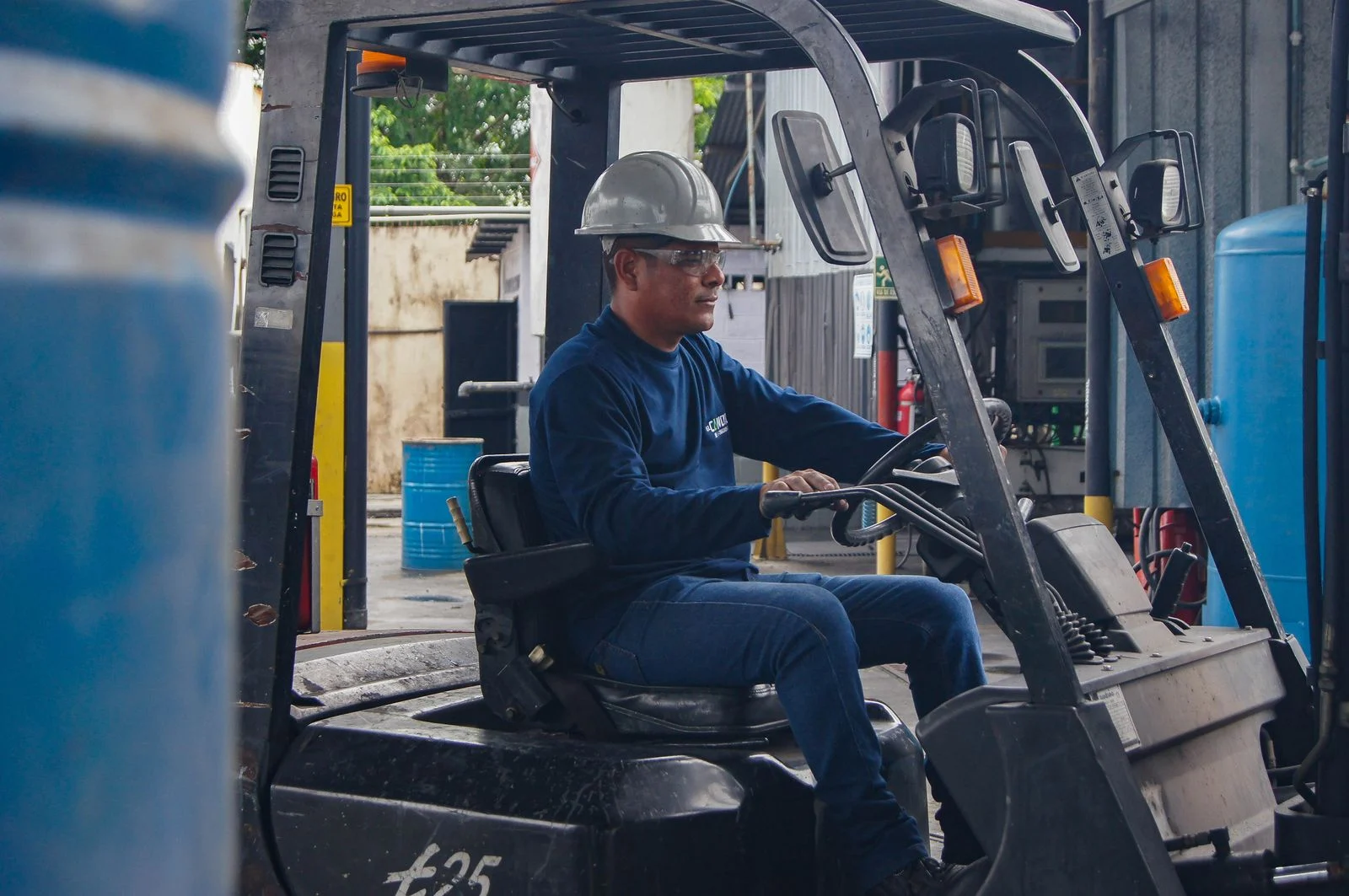
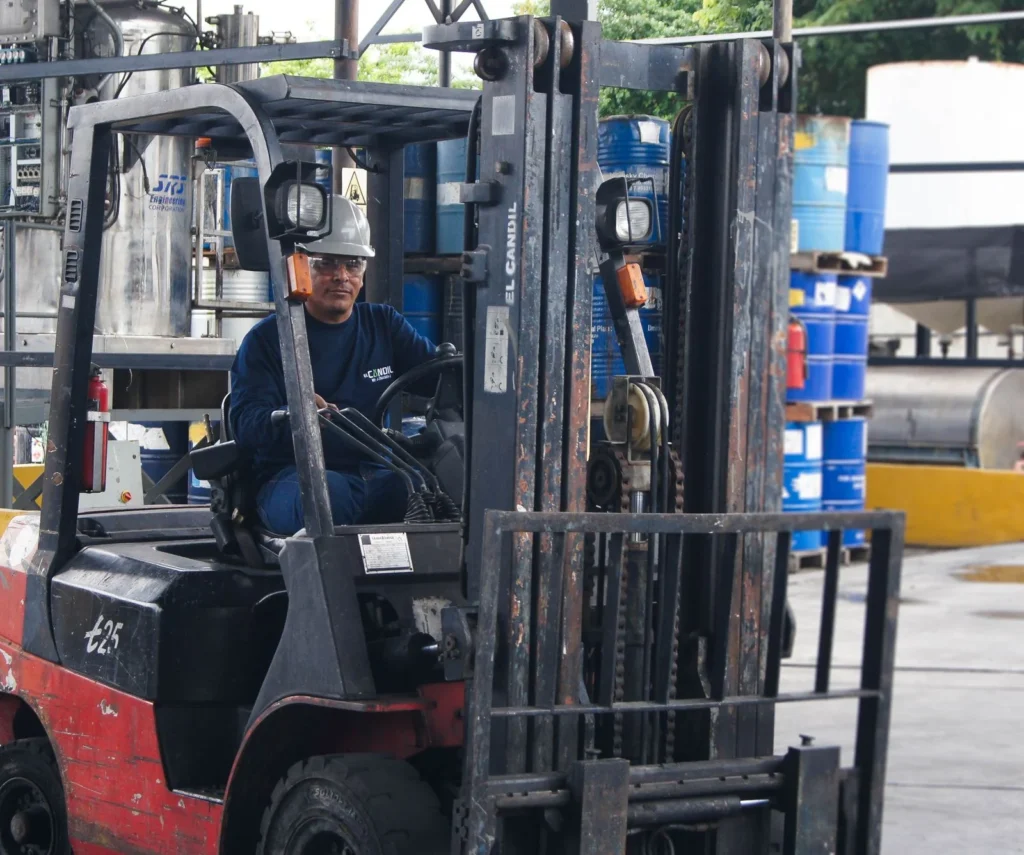
Forklift operators load and unload trucks, move pallets to and from storage racks, and keep products flowing through the warehouse. They inspect their equipment before each shift, follow traffic rules inside the building and work closely with pickers, shipping clerks and supervisors.
Step 1: Start in a warehouse role
Many operators begin as material handlers or pickers. Working in the warehouse first teaches you the layout, safety rules and flow of products. Read about warehouse jobs in St. Paul to get started.
Step 2: Meet the basic requirements
In most non-farm jobs in the United States, forklift operators must be at least 18 years old. Employers also look for good attendance, safety awareness and the ability to follow instructions.
Step 3: Get trained and evaluated
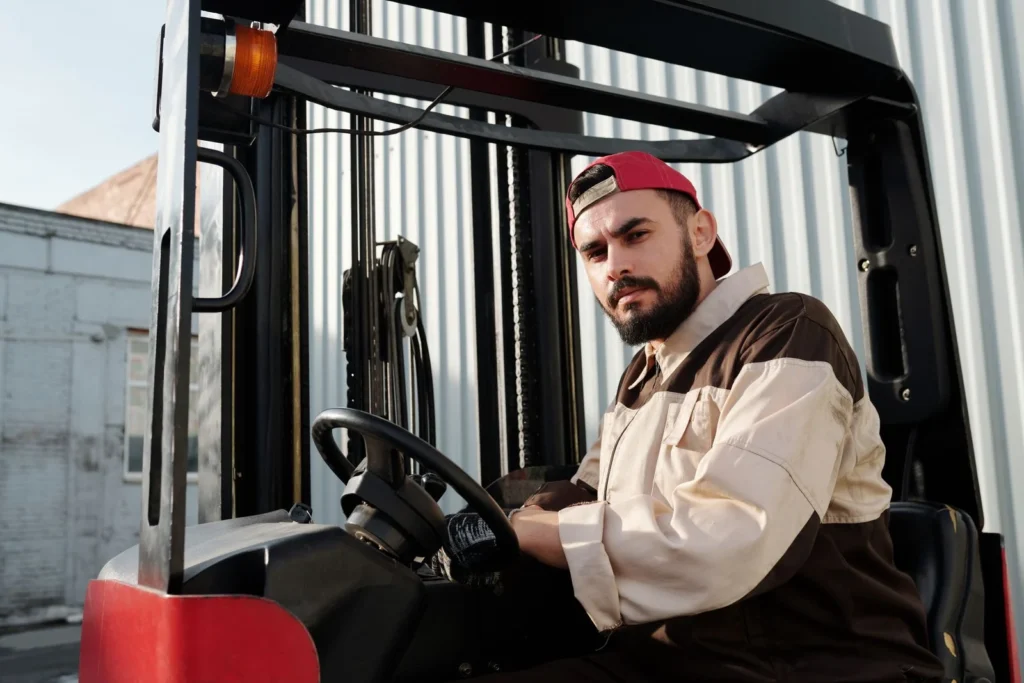
OSHA requires employers to train and evaluate every operator before they drive. Training covers the truck’s controls, load limits, stability and workplace hazards, followed by a hands-on evaluation. Learn more on the OSHA powered industrial trucks page.
Step 4: Learn different equipment types
Counterbalance forklifts, reach trucks, order pickers and electric pallet jacks each work differently. The more types you can operate safely, the more forklift operator jobs you can apply for.
Step 5: Build a safety record
Employers value operators who drive carefully, inspect their trucks and never take shortcuts. A clean safety record is one of the strongest things you can bring to an interview. The OSHA warehousing page lists common hazards to watch for.
Step 6: Apply with a clear resume
List each type of equipment you can operate, your training dates, any warehouse management or scanner systems you know and the shifts you can work. Our resume tips for temp jobs show how to keep it short and clear.
Daily safety habits
- Inspect brakes, forks, horn, lights and fluid levels before every shift.
- Never carry passengers or raise people on the forks.
- Keep loads low and stable while driving.
- Slow down at corners and sound the horn at blind spots.
- Report damage or problems right away.
Shifts and pay
Many warehouses run first, second and third shifts, and night shifts sometimes pay more. Ask about pay, overtime, shift times and which equipment you will use before you accept an offer. Temporary assignments are a common way to gain experience, and many lead to permanent roles through temp to hire jobs.
Where to find forklift operator jobs in the Twin Cities
Forklift operator jobs are found in distribution centers, manufacturing plants, food and beverage warehouses, building supply yards and retail distribution hubs across St. Paul, Minneapolis and the suburbs. Some sites hire directly, while many fill forklift operator jobs through staffing agencies, especially before busy seasons.
Working with a staffing agency lets you reach several employers at once. Tell your recruiter which equipment you can operate, which shifts you prefer and how far you can travel. If you are still learning, ask about warehouse roles where the employer provides forklift training after you start.
What employers look for in an interview
- Clear answers about the equipment you have used and for how long
- Examples of following safety rules, even when work was busy
- Reliable attendance and flexibility with shifts
- Good teamwork with pickers, loaders and supervisors
Bring proof of any past training if you have it. Strong candidates for forklift operator jobs show they take safety as seriously as speed.
Common forklift mistakes to avoid
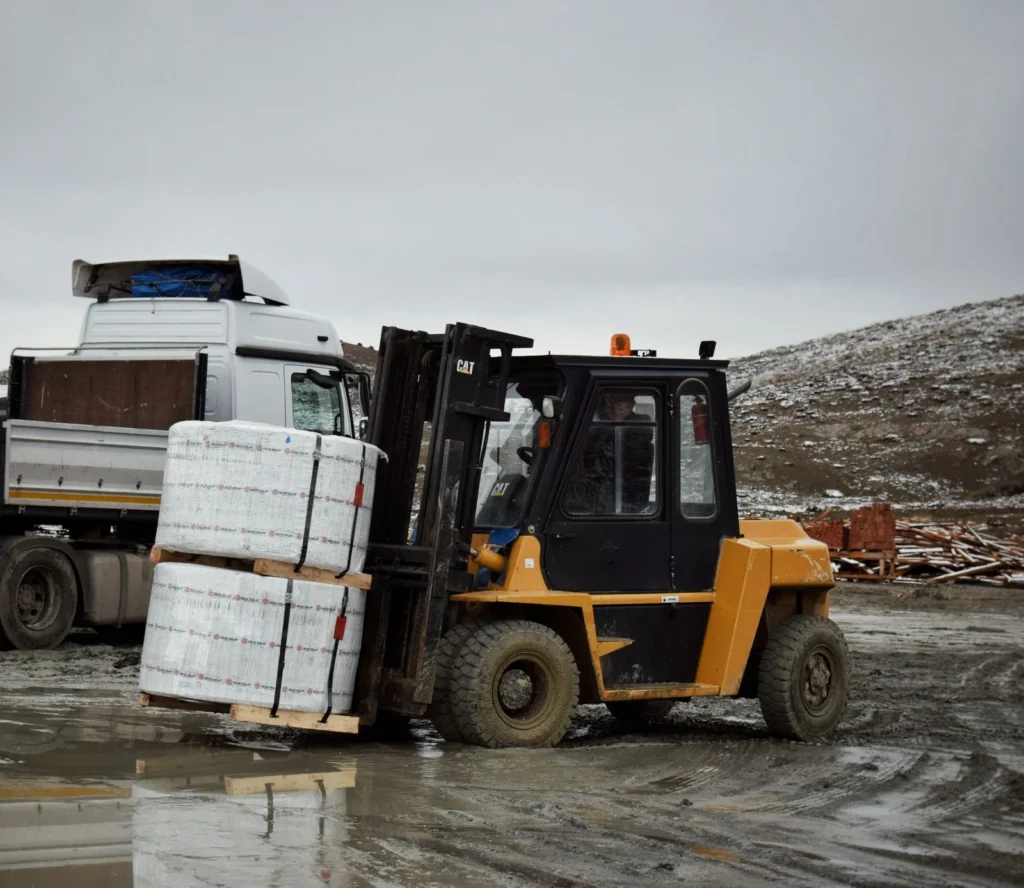
- Driving with the load raised too high
- Turning too quickly or on a slope
- Skipping the pre-shift inspection
- Ignoring pedestrians in marked walkways
- Lifting more than the truck is rated to carry
Each of these can cause tip-overs, damaged products or injuries. Employers notice operators who avoid shortcuts and speak up about unsafe conditions. Building these habits early will help you keep your certification, earn trust and qualify for better-paying forklift operator jobs over time.
Key takeaways
- Forklift operator jobs often pay more than entry-level warehouse roles.
- Employers must train and evaluate every operator before they drive.
- Learning several truck types opens more forklift operator jobs.
- A strong safety record is your best selling point.
Frequently Asked Questions
Do I need certification for forklift operator jobs?
Yes. Employers must make sure every forklift operator is trained and evaluated before driving, as required by OSHA. Many employers provide this training on site.
How old do you need to be to drive a forklift?
In most non-farm jobs in the United States, you must be at least 18 years old to operate a forklift.
How long does forklift training take?
Training length varies by employer and equipment. It usually includes classroom or online learning plus a hands-on evaluation.
What types of forklifts are common in warehouses?
Common types include counterbalance sit-down forklifts, stand-up reach trucks, order pickers and electric pallet jacks. Each type needs its own training.
Ready to find your next job?
Apply with New Tomorrow Staffing and upload your resume. Our team will contact you about open positions in St. Paul and the Twin Cities.

We’re a St. Paul staffing and recruiting company that specializes in speed to hire. We hire fast to last.