Offices, schools, apartment buildings and warehouses across the Twin Cities need people who keep them clean and safe every day. Custodian jobs offer steady work, flexible shifts and a clear path to more responsibility. If you take pride in a job well done, this guide explains what custodians do, the skills employers look for and six easy steps to get hired in St. Paul.
What do custodians do?
A custodian takes care of a building so the people inside can work, learn or live comfortably. The exact tasks depend on the building, but a typical shift includes:
- Cleaning and stocking restrooms
- Emptying trash and recycling
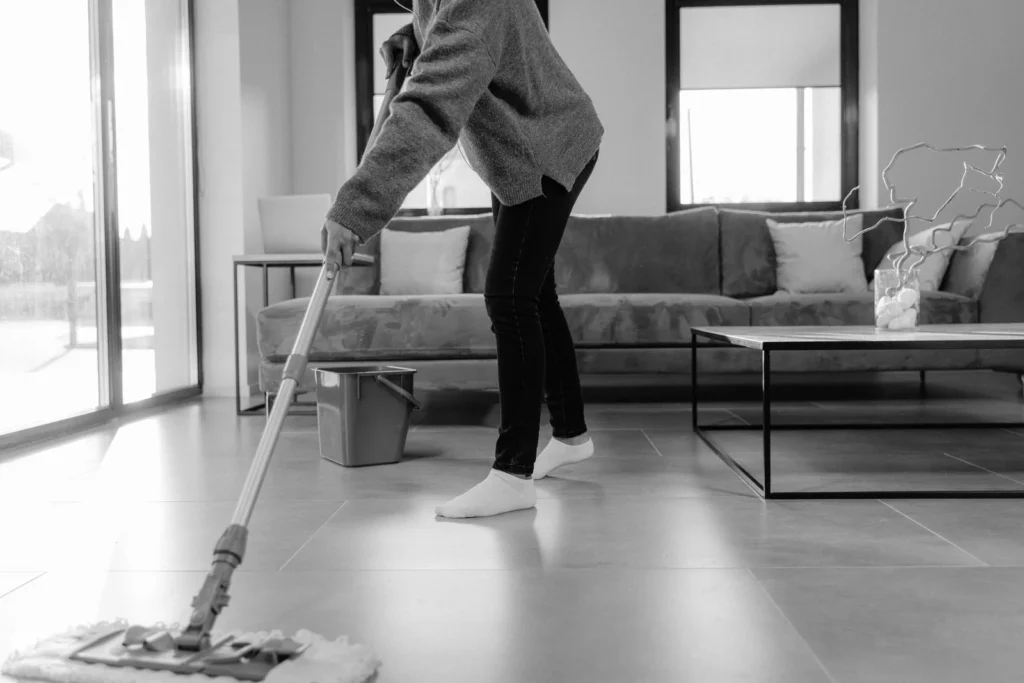
- Sweeping, mopping and vacuuming floors
- Wiping desks, counters and door handles
- Cleaning glass doors and entrances
- Setting up rooms for meetings or events
- Reporting leaks, broken lights and other repairs
In apartment communities, custodians and porters also keep hallways, laundry rooms and trash areas clean and help prepare units between residents.
Where custodians work in the Twin Cities
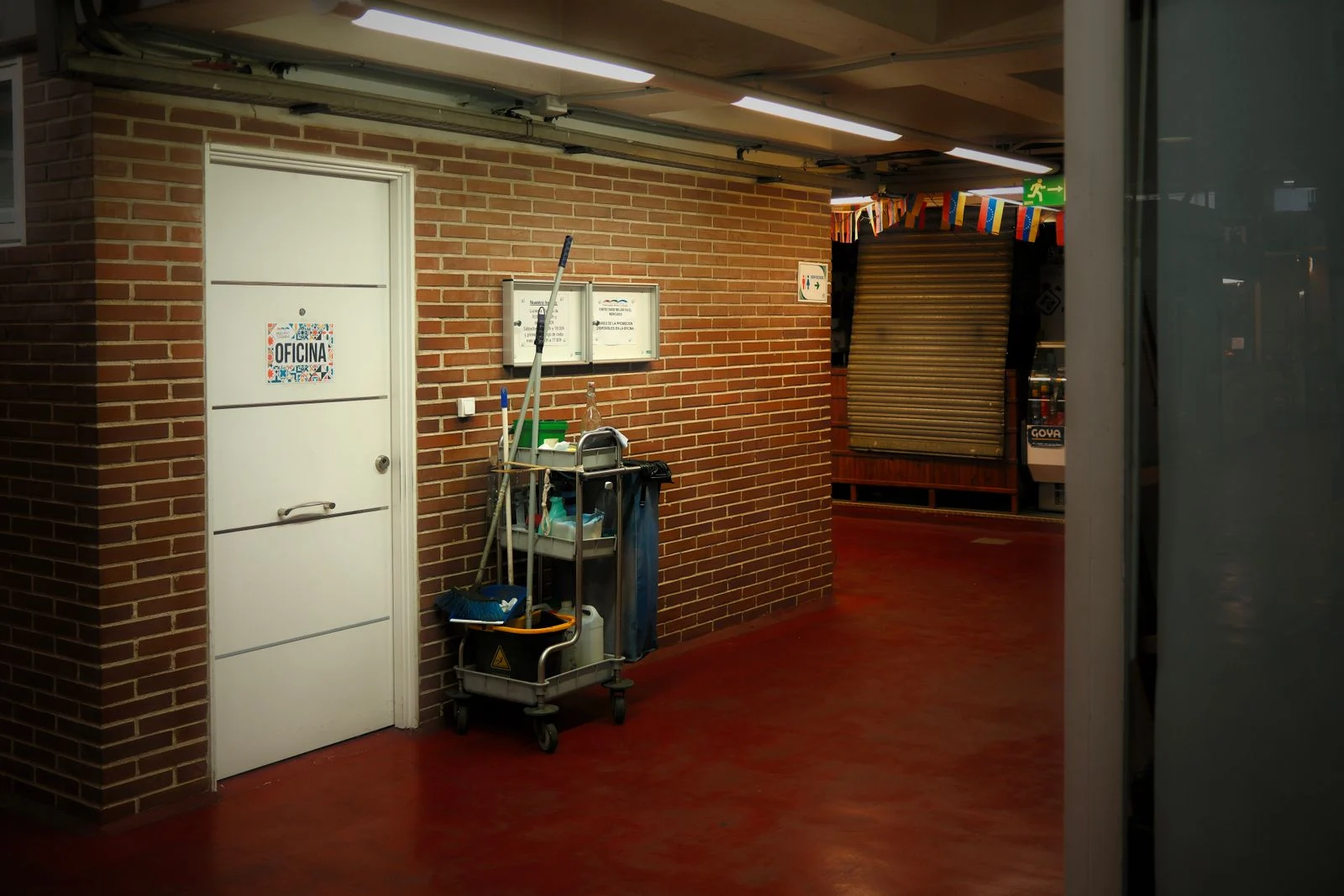
Custodial work is available in many settings: office buildings, schools and colleges, apartment communities, warehouses and manufacturing sites, churches, community centers, hotels and event venues. Each setting has its own rhythm. Schools are busiest after classes end, offices are often cleaned at night, and apartment buildings need daily attention plus extra help during move-out season.
Skills that help you stand out
- Reliability: buildings depend on you showing up for every shift.
- Attention to detail: noticing the spots others miss.
- Safety awareness: using cleaning products and equipment correctly.
- Working on your own: many shifts have little supervision.
- Friendly communication: being polite with residents, staff and visitors.
Cleaning chemicals must be labeled and stored safely. The OSHA cleaning industry page explains common hazards and how workers can stay safe.
6 easy steps to get hired
1. Decide which shifts you can work
Evening and overnight shifts often have the most openings. Being flexible helps you start sooner.
2. Write a short, clear resume
List any cleaning, housekeeping, hospitality or maintenance experience, even informal work. Our resume tips for temp jobs show you how.
3. Mention equipment you have used
Floor buffers, scrubbers, carpet extractors and commercial vacuums are worth listing.
4. Register with a staffing agency
A local agency can connect you with several buildings and employers at once.
5. Prepare for a short interview
Be ready to explain your availability, your experience and how you get to work. See our job interview tips.
6. Show up ready on day one
Wear comfortable, closed-toe shoes, arrive a few minutes early and ask questions about the building checklist.
A typical evening shift
Many evening shifts start after offices close. You might begin with trash and recycling, move on to restrooms and break rooms, then finish with floors and entrances. A written checklist keeps the work organized, and the last task is usually locking up and reporting anything that needs repair. After a few weeks, most people settle into a steady routine and work quickly and confidently.
Growing your career
With experience, you can move into lead custodian, day porter, facilities technician or maintenance helper roles. Learning basic repairs such as replacing light bulbs and fixing small leaks opens the door to maintenance technician jobs, which often pay more. Ask your supervisor which skills you need for the next step.
Types of custodian jobs
Not all custodian jobs look the same. Knowing the main types helps you choose the right fit for your schedule and skills:
- Night custodian jobs in offices and commercial buildings, cleaning after everyone leaves.
- Day porter roles that keep lobbies, restrooms and common areas tidy while people are in the building.
- School custodian jobs that include setting up rooms, cleaning classrooms and helping with events.
- Apartment custodian jobs covering hallways, laundry rooms, trash areas and unit turnovers.
- Industrial custodian jobs in warehouses and manufacturing sites, where safety rules are strict.
Temporary assignments are a good way to try different settings before you commit. Many temporary custodian jobs turn into permanent positions when the fit is right, so treat every assignment like a long-term opportunity. Learn how this works in our guide to temp to hire jobs.
Questions to ask before you accept
- What are the exact shift times, and are weekends required?
- How many buildings or floors will I cover?
- Who provides cleaning supplies, uniforms and equipment?
- How will I be trained on the building checklist?
- Is the role temporary, temp-to-hire or permanent?

Tips for your first week
Ask for the building checklist on day one and keep a copy with you. Learn where supplies, keys and equipment are stored, and who to call if something breaks or runs out. Take note of rooms that need special care, such as kitchens, labs or areas with sensitive equipment. Work at a steady pace and double-check restrooms and entrances, because these are what people notice most.
Small habits build trust quickly: reporting a leak right away, refilling supplies before they run out and leaving each room a little better than you found it. Supervisors remember dependable people, and that reputation can lead to more hours, better shifts and permanent offers in custodian jobs.
Key takeaways
- Custodian jobs are available in offices, schools, apartments, warehouses and more.
- Reliability and attention to detail matter more than experience when you start.
- Evening and overnight shifts often have the most openings.
- Custodial work can lead to lead, facilities and maintenance roles.
Frequently Asked Questions
What does a custodian do?
A custodian keeps a building clean, safe and in good order. Daily tasks include cleaning restrooms, emptying trash, sweeping and mopping floors, restocking supplies and reporting repairs.
Do I need experience for custodian jobs?
Many custodian jobs are entry-level and include training. Reliability, attention to detail and a good attitude matter most when you start.
What hours do custodians work?
Many buildings are cleaned in the early morning, evening or overnight when they are empty. Some schools, offices and apartment buildings also hire day custodians.
Can custodian work lead to other jobs?
Yes. Experienced custodians can move into lead custodian, facilities or maintenance roles with more responsibility and higher pay.
Ready to find your next job?
Apply with New Tomorrow Staffing and upload your resume. Our team will contact you about open positions in St. Paul and the Twin Cities.

We’re a St. Paul staffing and recruiting company that specializes in speed to hire. We hire fast to last.