Warehouses and distribution centers across the Twin Cities hire throughout the year, with extra demand during busy seasons. Warehouse jobs in St. Paul are a great option if you want to start working quickly, like staying active and prefer hands-on work over sitting at a desk. Before you apply, here are eight essential things to know.
1. Common roles in warehouse jobs in St. Paul
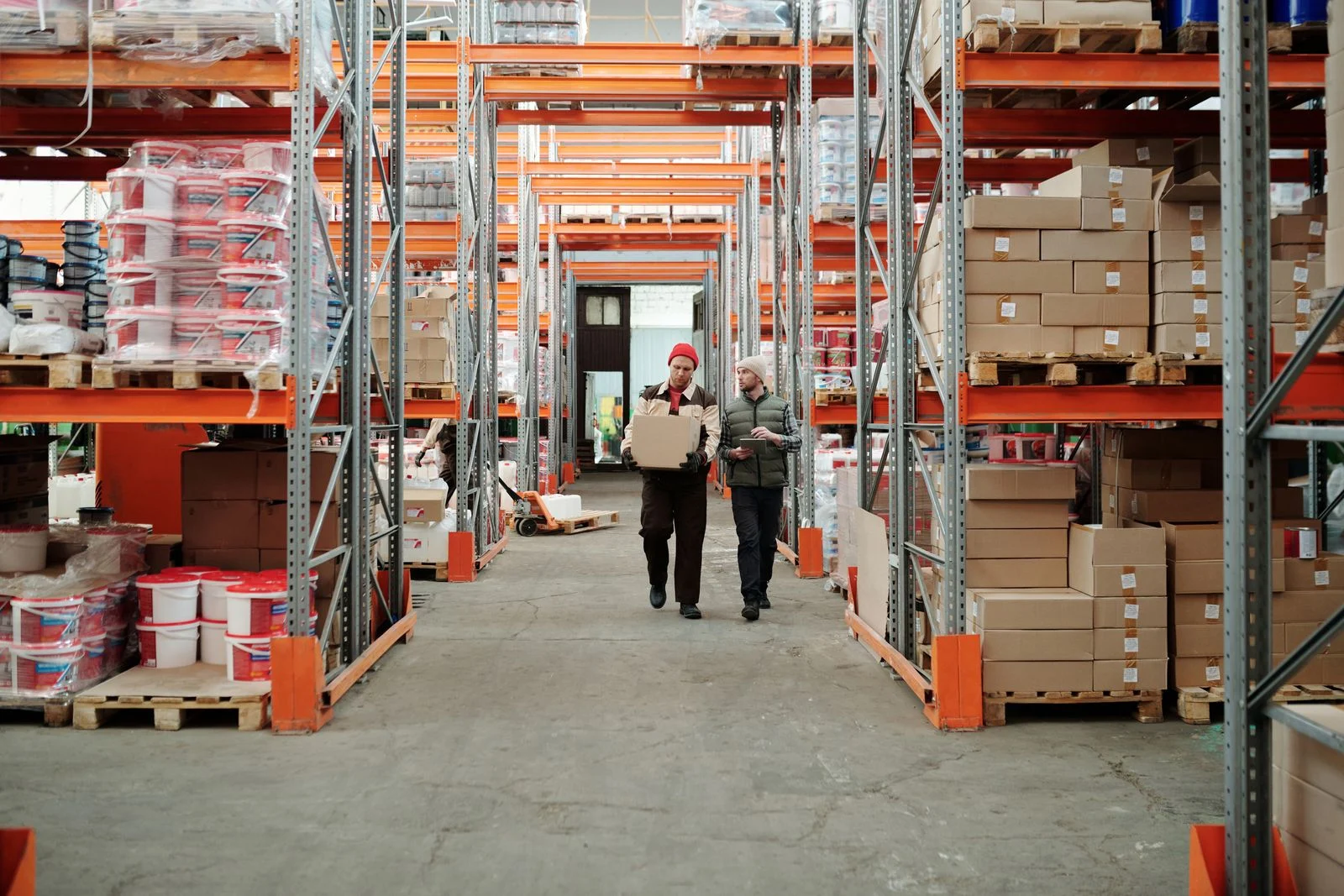
- Picker and packer: collecting items for orders and packing them for shipping
- Material handler: moving products and supplies around the building
- Shipping and receiving: loading and unloading trucks and checking deliveries
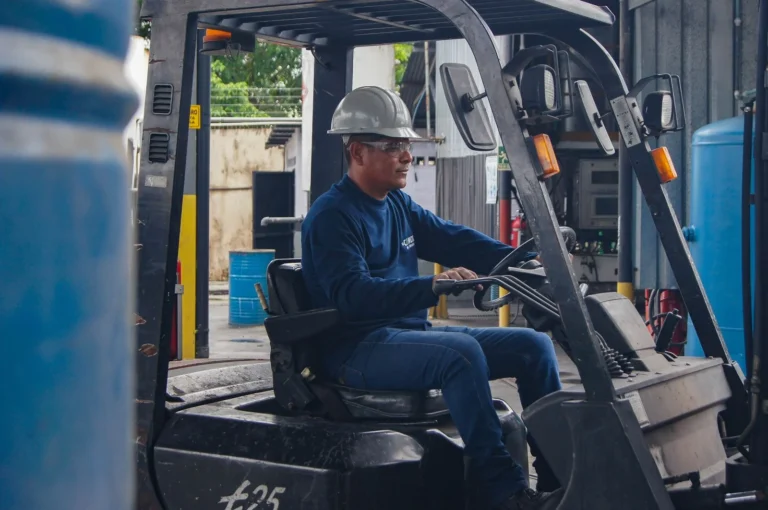
- Forklift operator: moving pallets safely after proper training
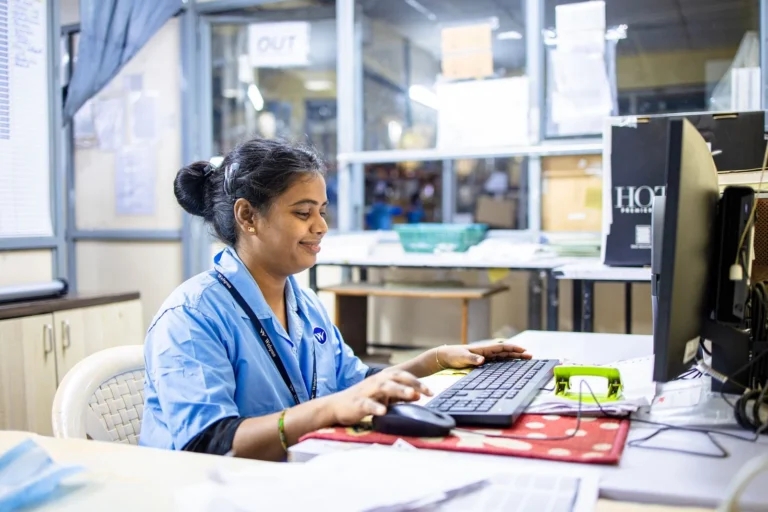
- Inventory clerk: counting stock and keeping records accurate
- Machine operator: running packaging or production equipment
Most people start in general roles such as picker, packer or material handler, then move into specialized roles with experience.
2. What a typical shift looks like
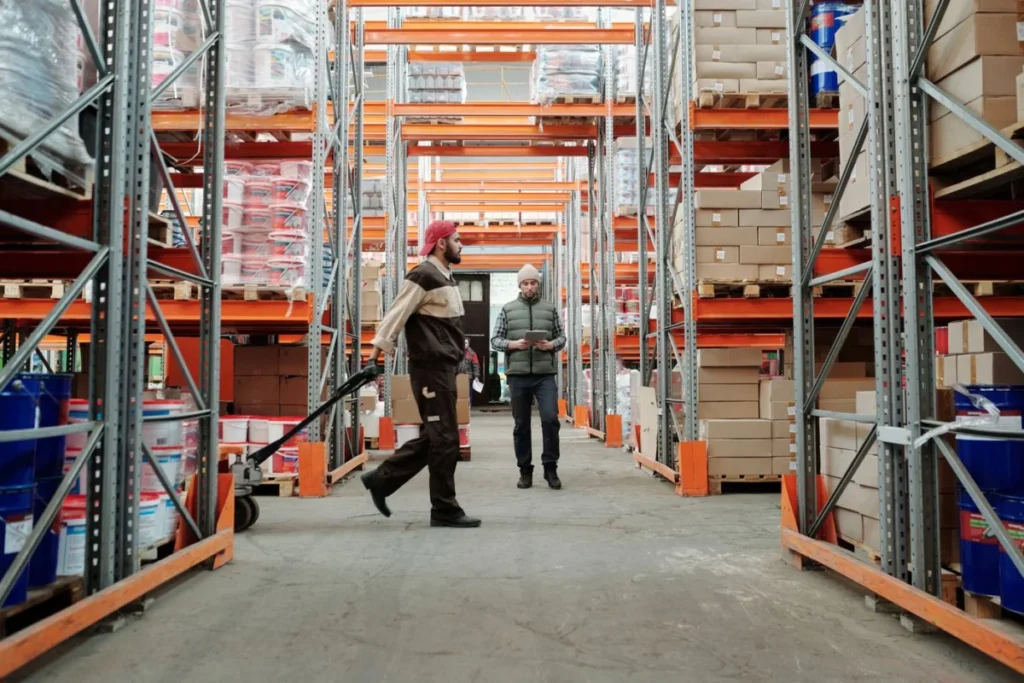
Expect to be on your feet for most of the shift, lifting, walking and bending. A shift usually starts with a short team meeting about goals and safety. You will then work through orders or tasks, with scheduled breaks. Some warehouses use handheld scanners to track items, and you will be trained on these on the job.
3. Shift options
Many warehouses run first, second and third shifts, and some offer weekend or four-day schedules. Ask about shift times and overtime before you accept a job so it fits your life. If you are flexible, you will usually find warehouse jobs in St. Paul faster, because evening and overnight shifts tend to have more openings.
4. Safety comes first
Warehouses can be busy places with moving equipment. Good safety habits protect you and make you a worker supervisors want to keep:
- Wear comfortable, closed-toe shoes, or steel-toe boots if required
- Lift with your legs, not your back, and ask for help with heavy items
- Stay aware of forklifts and use marked walkways
- Report spills, damaged racks or unsafe conditions right away
The OSHA warehousing page explains common hazards and how to prevent them.
5. Forklift certification
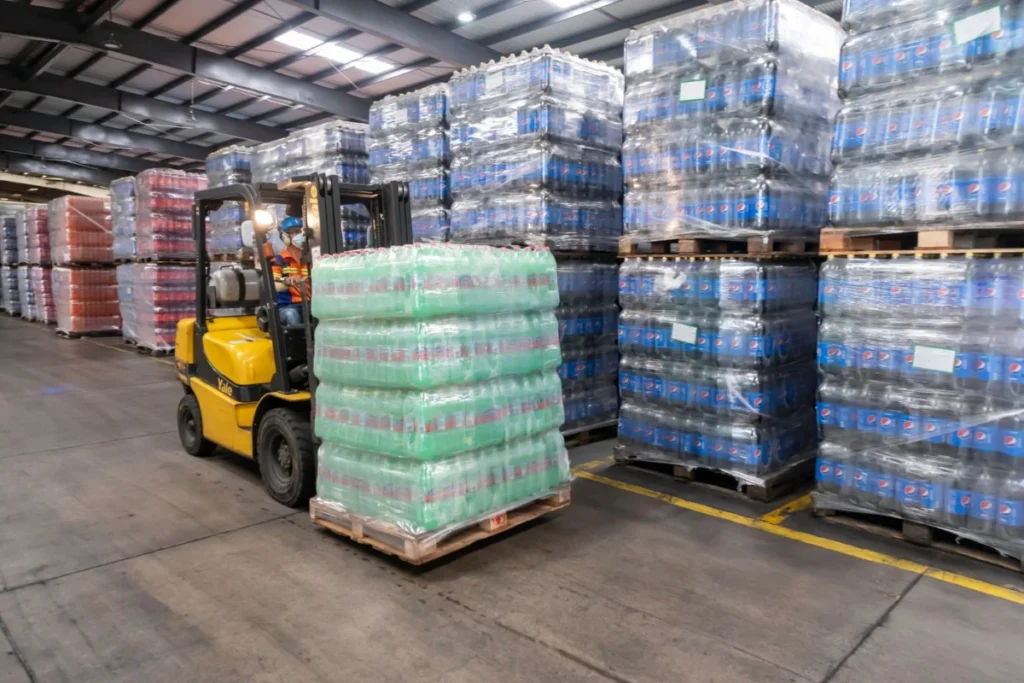
Forklift operators must be trained and evaluated before they drive. Having prior training or experience can help you qualify for higher-skilled warehouse jobs in St. Paul. Learn more on OSHA’s powered industrial trucks page.
6. Questions to ask before you accept
- What is the hourly pay, and is there a shift differential for nights or weekends?
- What are the exact shift times and how often is overtime needed?
- Is there a dress code or required safety gear?
- How do I get to the site by bus or car, and is there parking?
- Is this role temporary, temp-to-hire or permanent?
7. How to stand out
- Show up on time, every time. Reliability is the top thing warehouse supervisors look for.
- Mention any forklift, pallet jack or scanner experience on your resume.
- Be open to different shifts, especially when you are starting out.
- Learn quickly and ask questions when you are unsure.
- Keep a positive attitude with your team, even on busy days.
8. Temporary roles can lead to permanent jobs
Many warehouse jobs in St. Paul start as temporary assignments, especially before busy seasons. Workers who perform well are often offered permanent positions. Read how temp to hire jobs work to learn how this path works and how to make the most of it.
Getting ready to apply
Prepare a short resume that lists any physical, warehouse or production work, plus certificates and the shifts you can work. Our resume tips for temp jobs make this easy. For more search ideas, see our guide to jobs in St. Paul.
A typical first week
Your first week in one of the warehouse jobs in St. Paul usually starts with a safety orientation and a tour of the building. You will learn where to clock in, where breaks are taken, how to use scanners or other equipment, and who your lead or supervisor is. Expect to shadow an experienced worker before working on your own.
By the end of the week, most new workers know their main tasks and are starting to work at a steady pace. Do not worry if you are slower at first. Supervisors care most about safety, accuracy and showing up on time. Speed comes with practice.
Growing your warehouse career
Warehouse work can lead to more skilled and better-paid roles. With experience, you can move into forklift operation, inventory control, shipping and receiving coordination, quality checks or lead positions. Ask your supervisor what skills you need for the next step, and look for training opportunities. Many people who start in entry-level warehouse jobs in St. Paul build long careers in logistics and distribution.
Key takeaways
- Most warehouse jobs in St. Paul start in general roles like picker, packer or material handler.
- Flexible shift availability helps you land warehouse jobs in St. Paul faster.
- Safety, reliability and a positive attitude are what supervisors value most.
- Temporary warehouse jobs in St. Paul can lead to permanent roles and better pay.
Frequently Asked Questions
Do I need experience for warehouse jobs in St. Paul?
Many entry-level warehouse roles, such as picker, packer and general labor, do not require experience. Employers mainly look for reliability, safety awareness and the ability to stay on your feet during a shift.
What shifts do warehouses offer?
Many warehouses run first, second and third shifts, and some have weekend schedules. Evening and overnight shifts are often easier to get when you are starting out.
Do I need a forklift certification?
Only for forklift operator roles. Employers must train and evaluate forklift operators, and having prior certification or experience can help you get those positions faster.
What should I wear to a warehouse job?
Wear comfortable work clothes and closed-toe shoes. Some warehouses require steel-toe boots, safety vests or gloves, so ask before your first shift.
Find warehouse jobs in St. Paul
Apply with New Tomorrow Staffing and let us know which shifts you can work. Our team will reach out about open roles in St. Paul and the Twin Cities.

We’re a St. Paul staffing and recruiting company that specializes in speed to hire. We hire fast to last.