Factories, packaging plants and distribution centers across the Twin Cities need people who can work with their hands. Light industrial jobs are a great way to start working quickly, build skills and grow into higher-paying roles. This guide covers seven common light industrial jobs in St. Paul, the skills employers want and how to get started.
What are light industrial jobs?
Light industrial jobs involve hands-on production and handling work with smaller products and lighter equipment. Think assembly lines, packaging, machine operation and quality checks rather than heavy construction. Many of these roles offer steady hours and on-the-job training.
7 common light industrial jobs
1. Assembler
Assemblers put together parts or products by hand or with simple tools, following instructions and quality standards.
2. Packager
Packagers prepare finished products for shipping, checking counts and labels along the way.
3. Machine operator
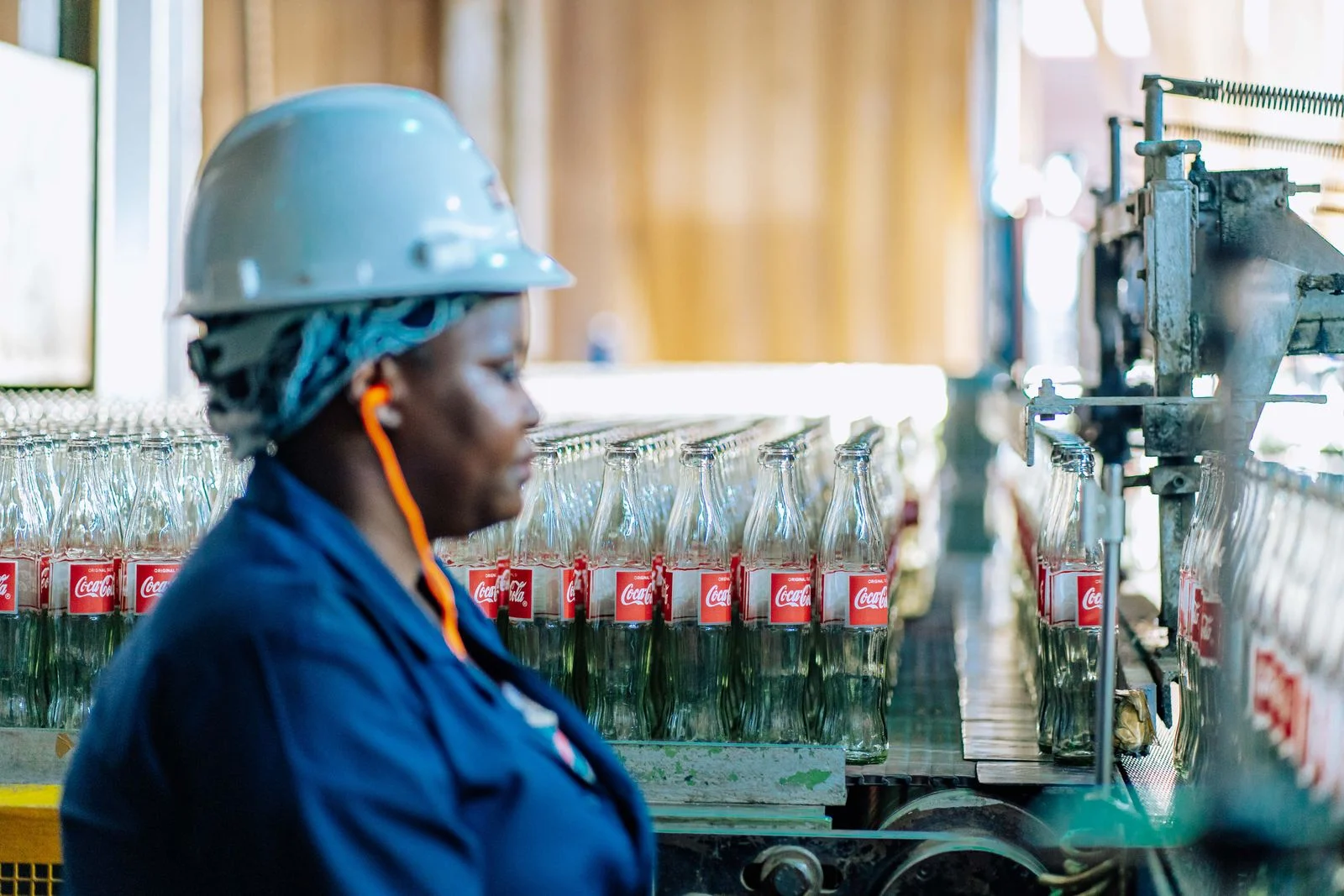
Machine operators run and monitor production equipment, load materials and report problems to a lead.
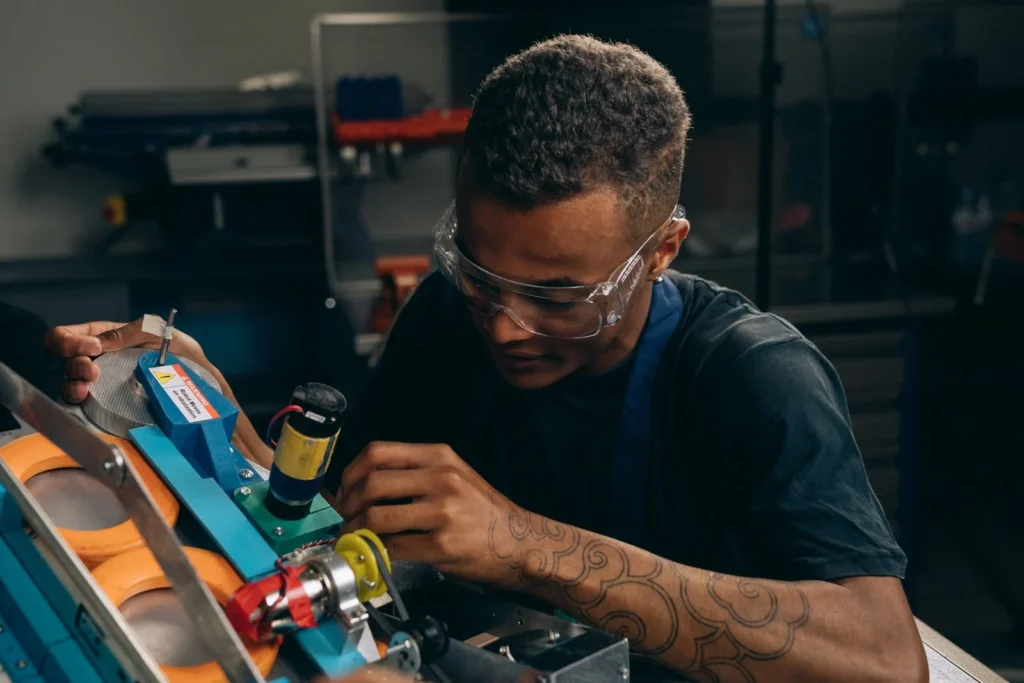
4. Quality inspector
Quality inspectors check products for defects and record results, making sure customers get what they ordered.
5. Material handler
Material handlers move raw materials and finished goods around the facility, often with pallet jacks.
6. Production helper
Production helpers support the line wherever they are needed, which is a great way to learn several roles at once.
7. Forklift operator
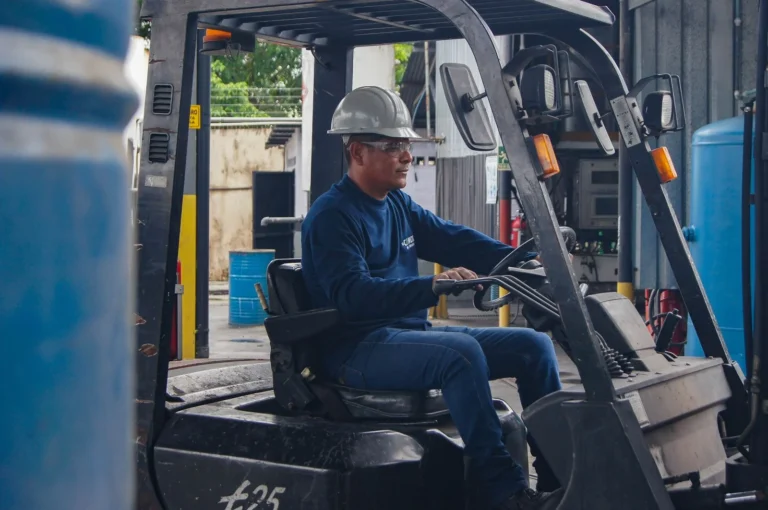
Forklift operators move pallets safely after proper training. Read our guide to forklift operator jobs to learn how to get certified.
Skills employers look for in light industrial jobs
- Reliability: showing up on time for every shift
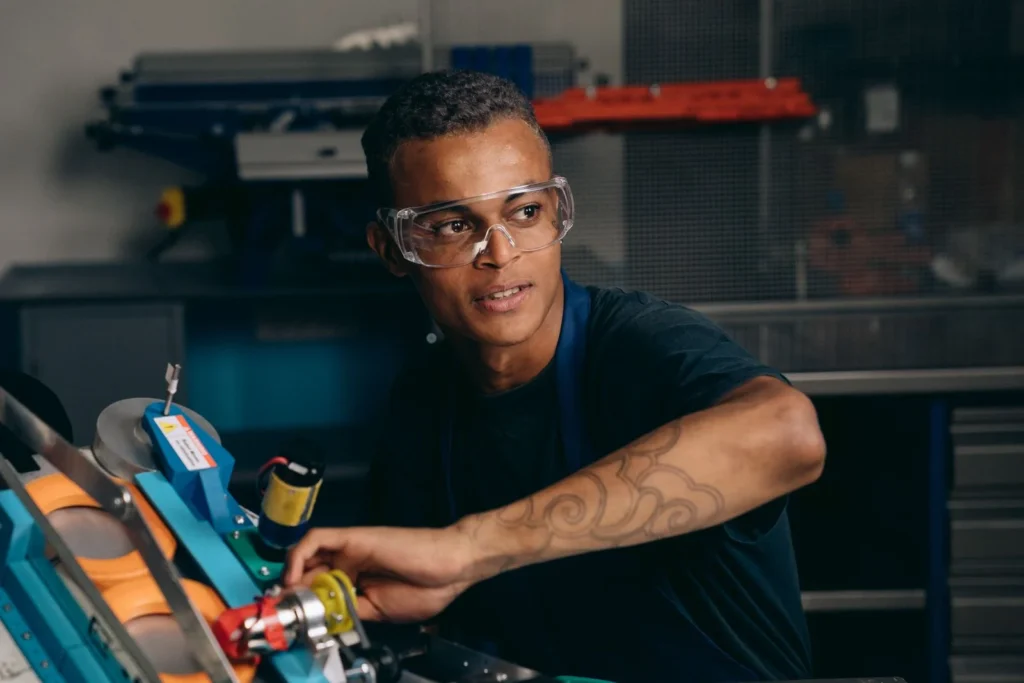
- Safety awareness: following rules and wearing protective gear
- Attention to detail: catching mistakes before they reach customers
- Stamina: standing, lifting and moving for most of the shift
- Teamwork: keeping the line moving with your coworkers
Safety is a big part of this work. The OSHA hazard communication guidance explains how workplaces label chemicals and train workers to stay safe.
How to start in light industrial jobs
- Prepare a short resume that lists any production, warehouse or hands-on work.
- Decide which shifts you can work and how you will get to the site.
- Register with a local staffing agency to reach several employers at once.
- Be ready for a short interview about your experience and availability.
- Ask about temp-to-hire roles that can become permanent.
Our resume tips for temp jobs make the first step easy. You can also browse related warehouse jobs in St. Paul.
Growing your career
Light industrial jobs can lead to lead roles, machine setup, quality control and supervisor positions. Ask your supervisor which skills you need for the next step, and say yes to training when it is offered. Many people who start in entry-level production roles build long careers in manufacturing.
A typical day on the production floor
Most shifts start with a short team meeting about goals, safety and any changes to the line. After that, you will work at your station, keep your area clean and follow the standard steps for your task. Breaks are scheduled, and leads rotate people between tasks on some lines so the work stays varied.
Expect to stand for most of the shift. Comfortable shoes, water and a positive attitude go a long way, especially in your first week while your body adjusts.
Pay, schedules and overtime
Pay depends on the employer, the shift and the skills required. Second and third shifts sometimes pay more than day shifts, and some sites offer overtime during busy periods. Before you accept an offer, ask about the hourly rate, shift times, overtime expectations and how often schedules change.
Also ask how you will get to the site. Some facilities in the Twin Cities are easy to reach by bus, while others are easier by car. A short, reliable commute helps you stay on time.
Safety gear you may need
- Closed-toe or steel-toe shoes
- Safety glasses
- Work gloves
- Hearing protection in loud areas
- A high-visibility vest in areas with moving equipment
Many employers provide some of this gear. Ask before your first day so you arrive prepared.
Your first week checklist
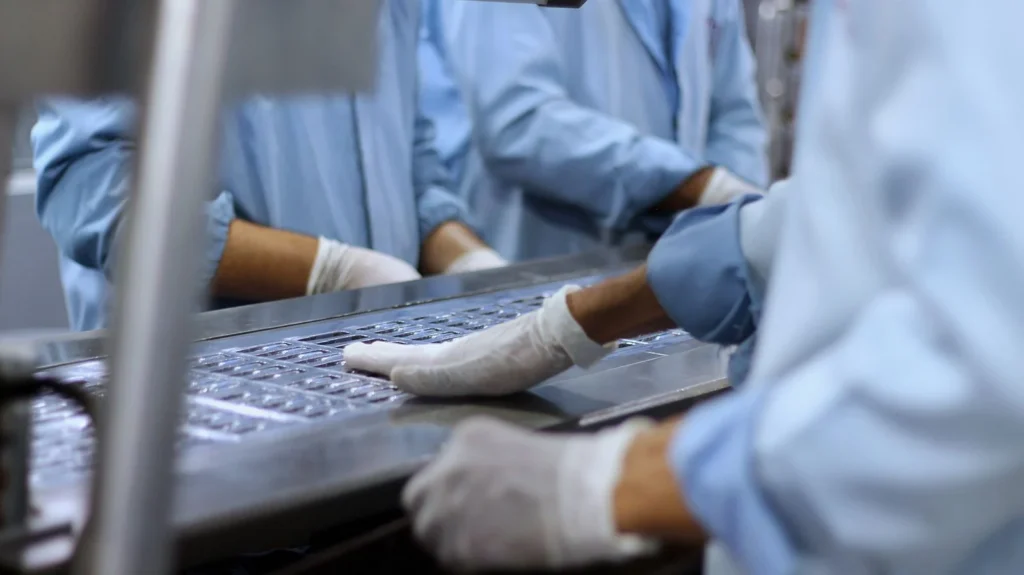
Starting a new production role is easier when you know what to expect. Before day one, confirm your start time, the entrance to use, who to ask for and what to wear. Bring water, a snack and any documents your recruiter asked for. During the first week, focus on learning the safety rules and the standard steps for your station rather than speed. Ask questions whenever something is unclear, and write down anything you need to remember.
By the end of the week, most new workers know their main tasks, their team and the rhythm of the shift. Supervisors notice people who arrive on time, follow instructions and keep their area clean, and those are often the first people offered more hours, new tasks or permanent roles in light industrial jobs.
Key takeaways
- Light industrial jobs include assembly, packaging, machine operation and quality checks.
- Many light industrial jobs offer training, so experience is not always required.
- Reliability and safety are what employers value most.
- A staffing agency can connect you with several light industrial jobs in St. Paul at once.
Frequently Asked Questions
What are light industrial jobs?
Light industrial jobs include hands-on work such as assembly, packaging, machine operation, quality checks and material handling in factories and warehouses. They usually involve smaller products and lighter equipment than heavy industrial work.
Do I need experience for light industrial jobs?
Many entry-level light industrial jobs offer on-the-job training. Reliability, attention to detail and following safety rules matter most when you start.
What shifts do light industrial jobs offer?
Many employers run first, second and third shifts, and some offer weekend schedules. Being flexible with shifts helps you start sooner.
What should I wear to a light industrial job?
Wear comfortable work clothes and closed-toe shoes. Some sites require steel-toe boots, safety glasses, gloves or hearing protection, so ask before your first shift.
Ready to find your next job?
Apply with New Tomorrow Staffing and upload your resume. Our team will contact you about open positions in St. Paul and the Twin Cities.

We’re a St. Paul staffing and recruiting company that specializes in speed to hire. We hire fast to last.